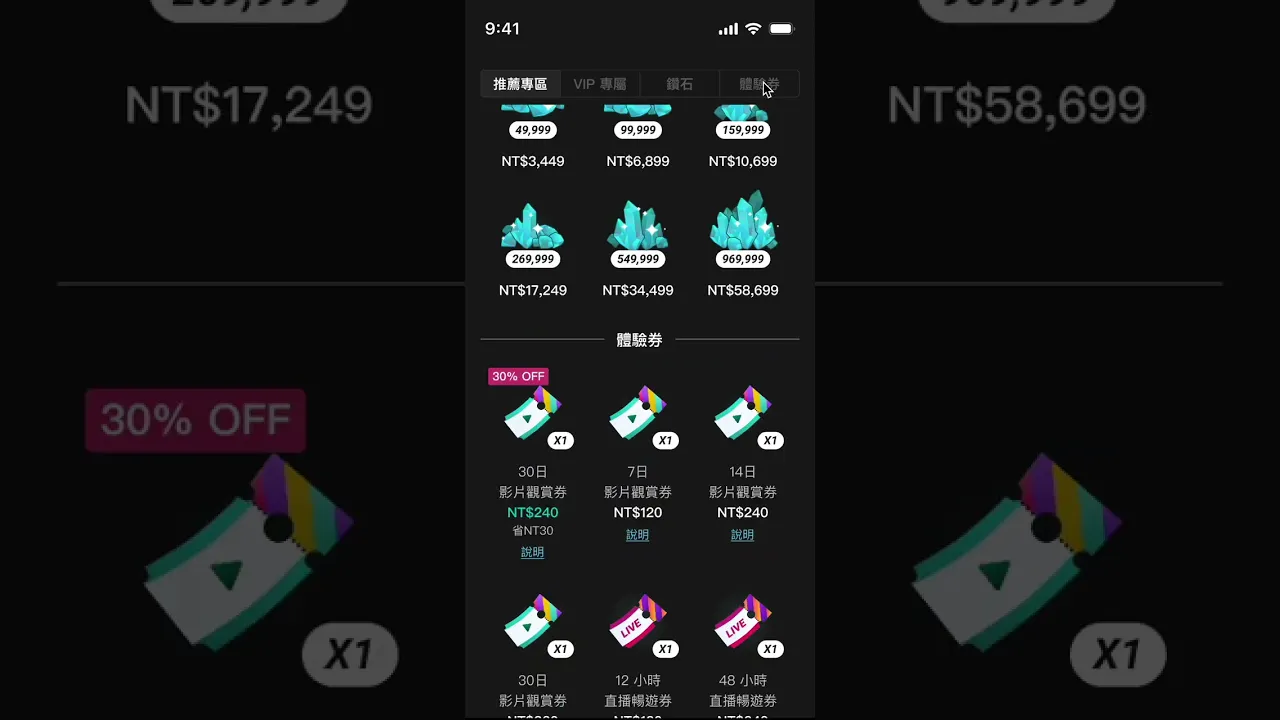

SWAG Shopping Experience
My Roles
UX Researcher / Senior Product Designer
UX Researcher / Senior Product Designer
Company Info

SWAG.live
SWAG.live
Project Attribute
Redesign old feature
Redesign old feature
E-Commerce
Social Media
Timeline
2025/01 ~ 2025/03 (2 Month)
2025/01 ~ 2025/03 (2 Month)
Project Overview
Project Overview
Research Questions
Research Questions
Methodology
Methodology
Findings & Insights
Findings & Insights
Influence on Decision
Influence on Decision
Impact & Outcomes
Impact & Outcomes
Reflection
Reflection
OVERVIEW
This shop redesign was initiated based on user feedback about an inconvenient purchase flow, though exact pain points were unclear.
Through user research and aligning with business goals, we developed a new store experience.
The design optimizes payment processes, shopping operations, and information display for both first-time and repeat buyers, aiming to improve purchase efficiency and user experience while reducing drop-offs and customer support efforts caused by failed transactions.
This shop redesign was initiated based on user feedback about an inconvenient purchase flow, though exact pain points were unclear.
Through user research and aligning with business goals, we developed a new store experience.
The design optimizes payment processes, shopping operations, and information display for both first-time and repeat buyers, aiming to improve purchase efficiency and user experience while reducing drop-offs and customer support efforts caused by failed transactions.
RESEARCH QUESTION
How can first-time buyers effectively choose and use the fastest and most convenient payment method?
How can repeat buyers leverage system memory features to speed up subsequent purchases?
In scenarios where multiple items can be purchased at once, how should the single-select and multi-select interfaces be designed to ensure high efficiency and low operational cost?
How can we provide appropriate in-purchase and post-purchase information tailored to users with different payment behaviors to meet their needs and increase conversion rates?
When a purchase fails, how can the system deliver clear error messages and actionable guidance to help users quickly resolve issues and reduce drop-offs?
How can first-time buyers effectively choose and use the fastest and most convenient payment method?
How can repeat buyers leverage system memory features to speed up subsequent purchases?
In scenarios where multiple items can be purchased at once, how should the single-select and multi-select interfaces be designed to ensure high efficiency and low operational cost?
How can we provide appropriate in-purchase and post-purchase information tailored to users with different payment behaviors to meet their needs and increase conversion rates?
When a purchase fails, how can the system deliver clear error messages and actionable guidance to help users quickly resolve issues and reduce drop-offs?
METHODS

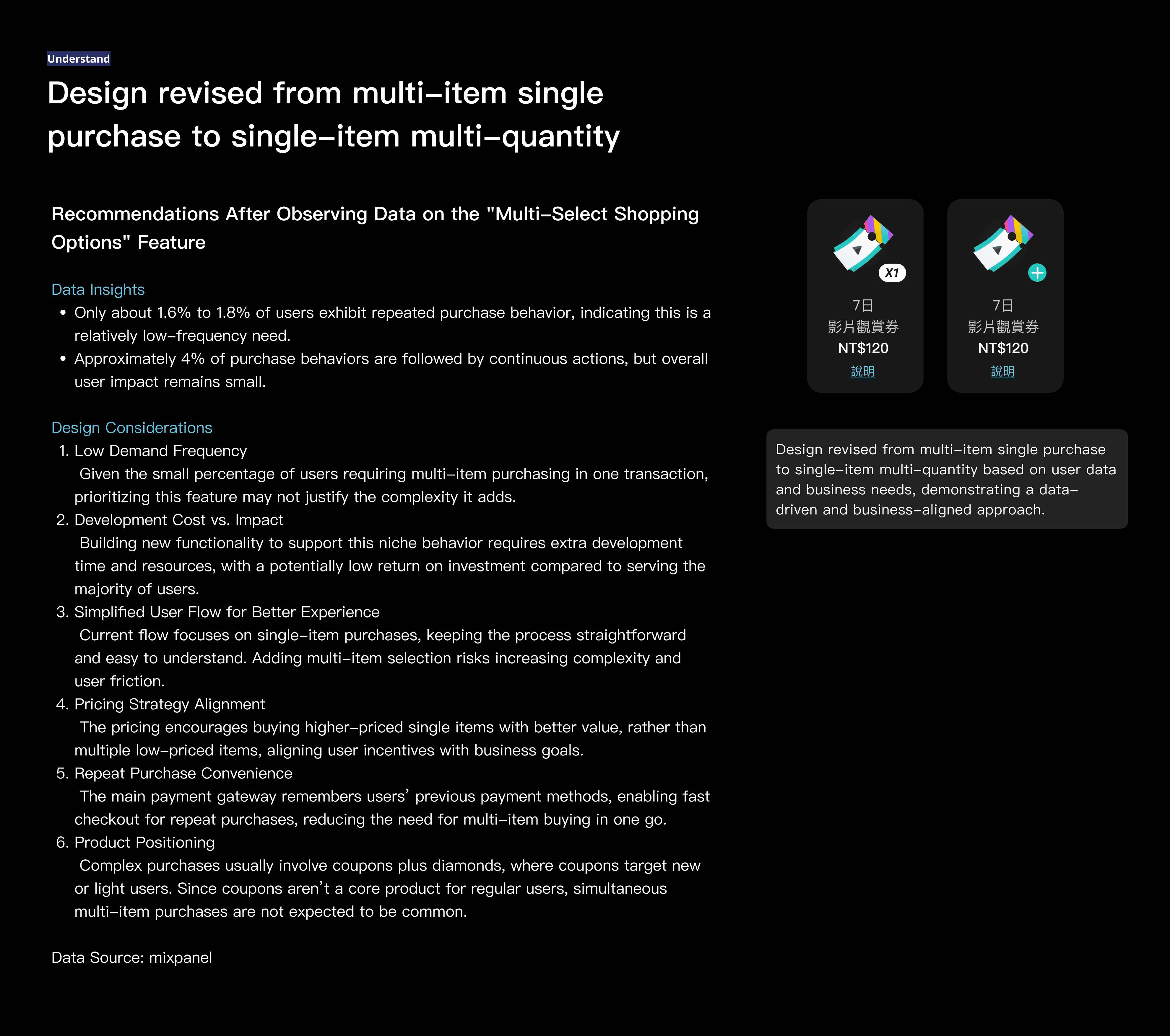
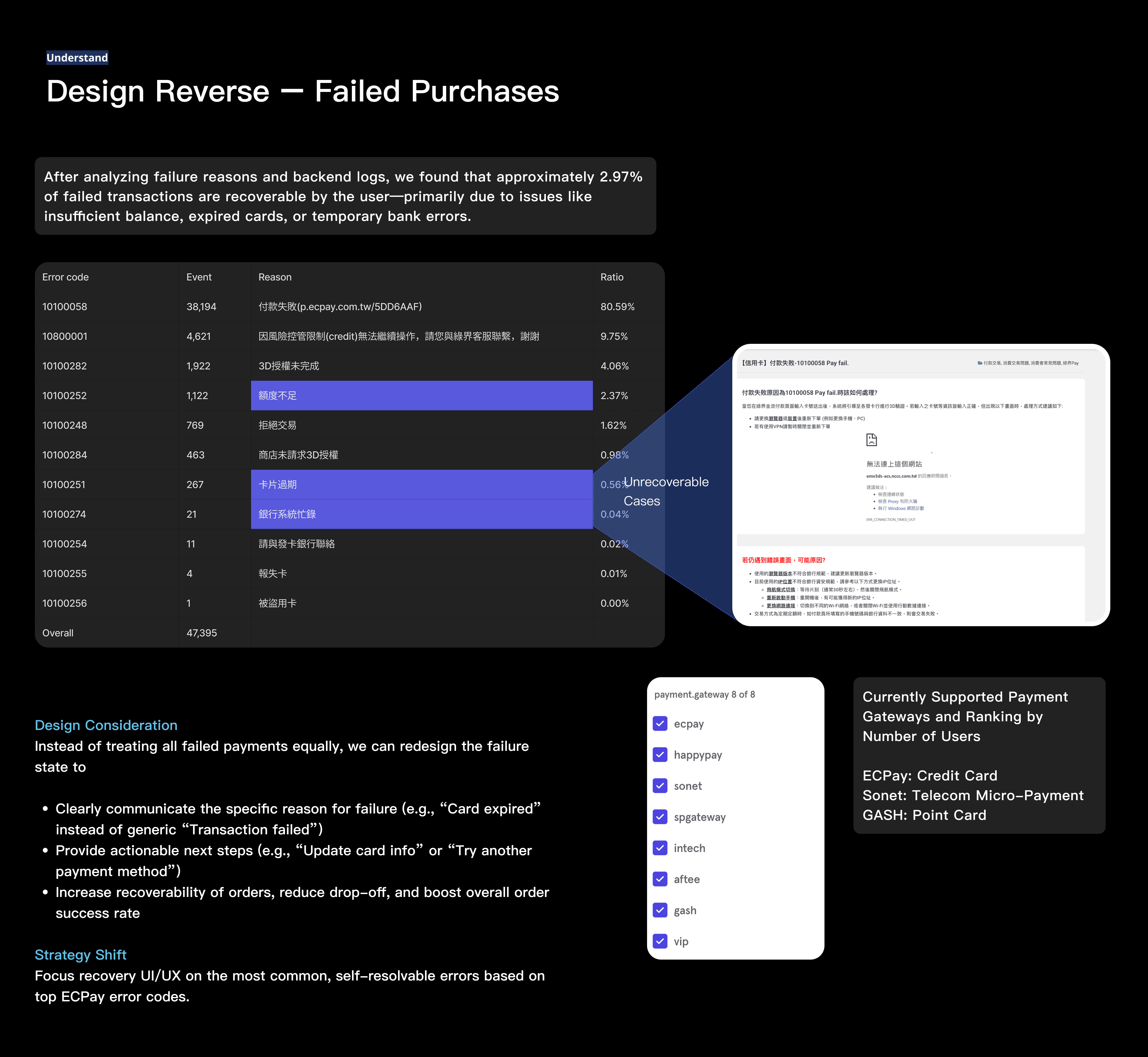
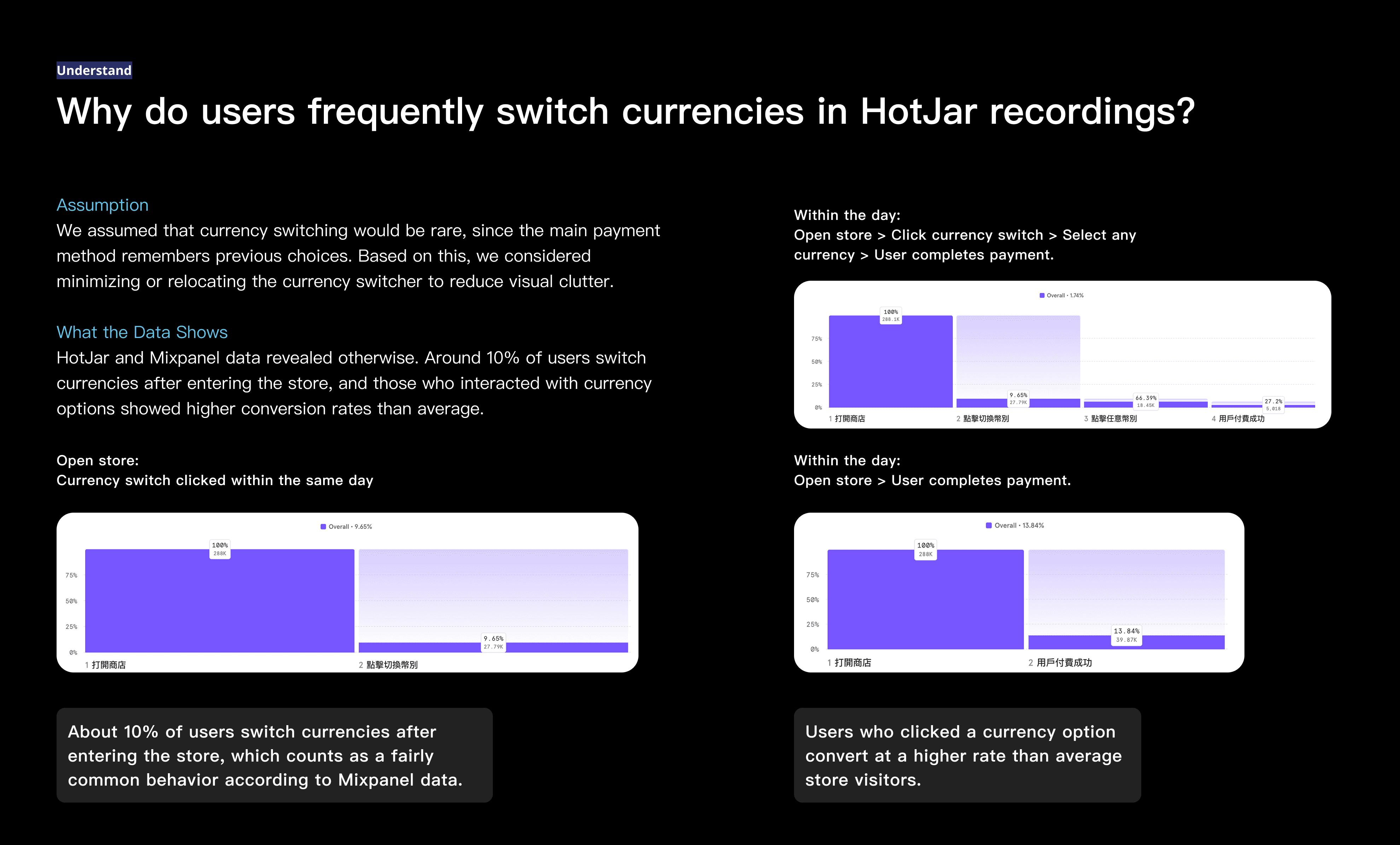
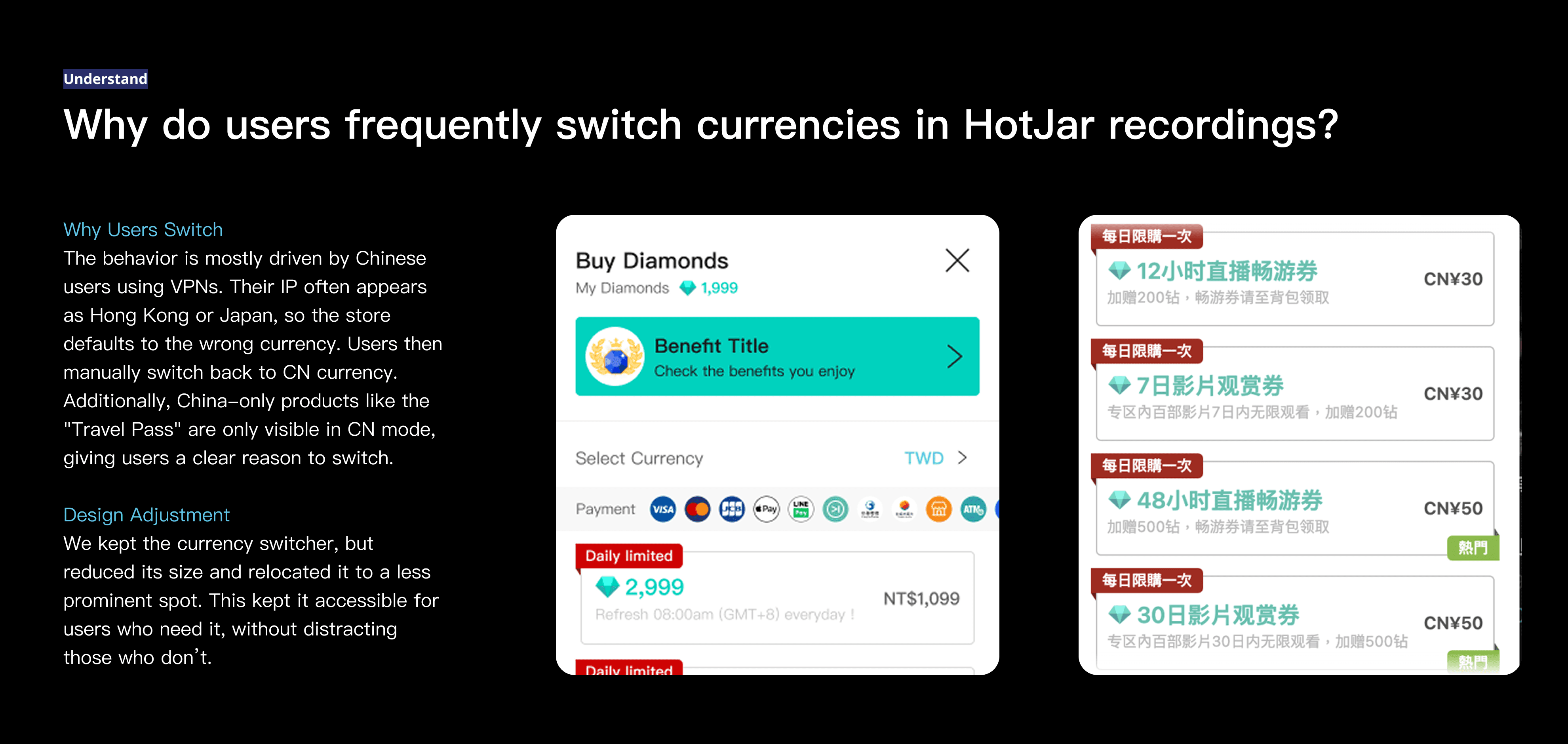
INSIGHTS SUMMARY

INFLUENCE ON DECISION


PROTOTYPE DEMO
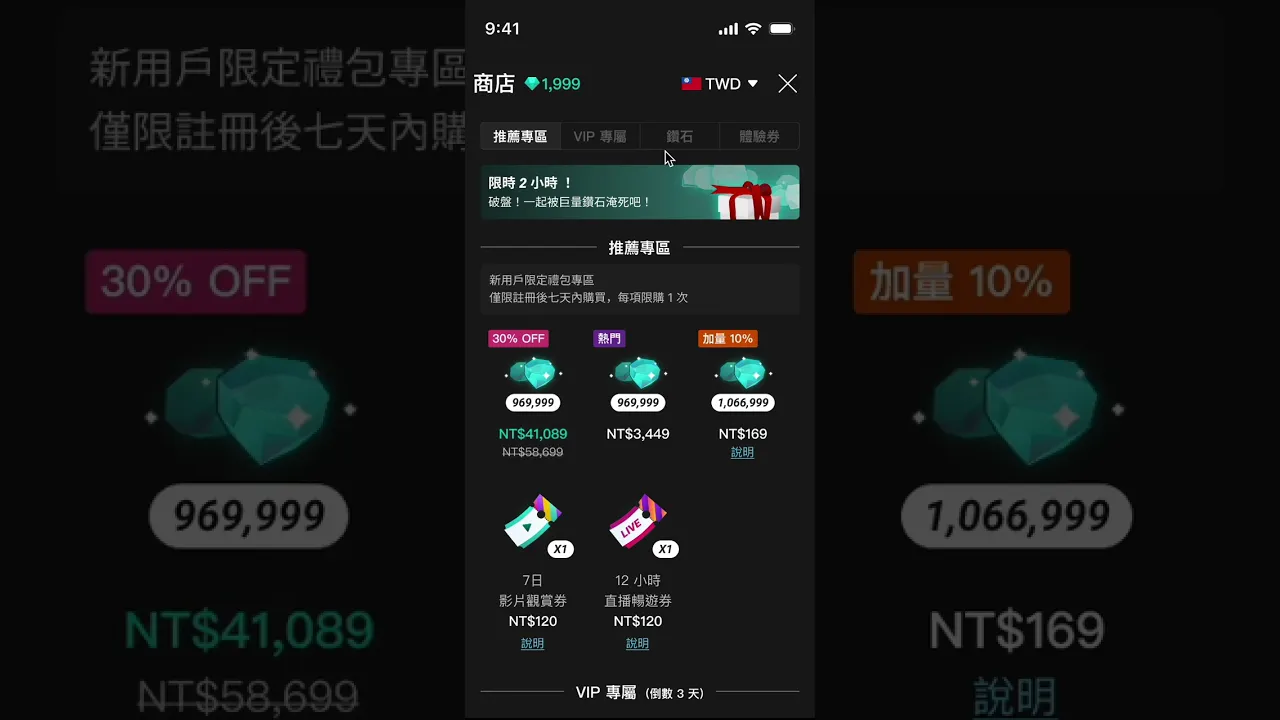
1st-time Shopper Process (Mobile)
N-time Shopper Process (Mobile)
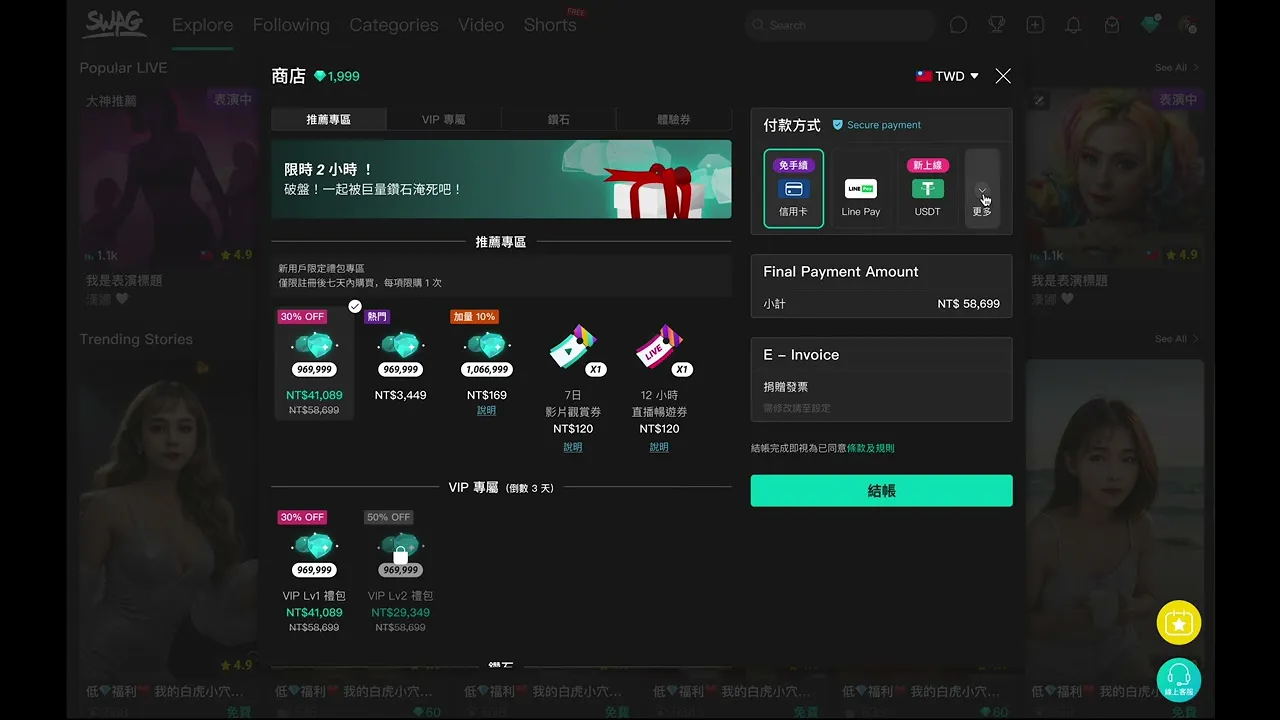
1st-time Shopper Precess (Desktop)
PROTOTYPE DEMO
1st-time Shopper Process (Mobile)
N-time Shopper Process (Mobile)
1st-time Shopper Precess (Desktop)
IMPACT & OUTCOMES
Revenue Growth Driven by Improved Design
The new store UI led to measurable business improvements:
Group A outperformed the control group in payment frequency, ARPPU, and total revenue—with a 12–16% increase depending on the segment.
Conversion rates for VIP memberships and flash sale bundles were significantly higher, reflecting clearer visual hierarchy and stronger call-to-action placements.
Smoother User Experience, Better Conversion
Promotional offers were surfaced directly within the interface, eliminating the need for push notifications and reducing friction in the purchase journey.
New users converted faster—on average, 19% quicker—indicating improved clarity and ease of onboarding.
High-Value User Engagement
VIP users paid more often, spent more per transaction, and were more likely to upgrade within the VIP system.
The design improvements clearly resonated with top-tier users, reinforcing the value of UI clarity in monetization flows.
Revenue Growth Driven by Improved Design
The new store UI led to measurable business improvements:
Group A outperformed the control group in payment frequency, ARPPU, and total revenue—with a 12–16% increase depending on the segment.
Conversion rates for VIP memberships and flash sale bundles were significantly higher, reflecting clearer visual hierarchy and stronger call-to-action placements.
Smoother User Experience, Better Conversion
Promotional offers were surfaced directly within the interface, eliminating the need for push notifications and reducing friction in the purchase journey.
New users converted faster—on average, 19% quicker—indicating improved clarity and ease of onboarding.
High-Value User Engagement
VIP users paid more often, spent more per transaction, and were more likely to upgrade within the VIP system.
The design improvements clearly resonated with top-tier users, reinforcing the value of UI clarity in monetization flows.
Reflection
Rapid Design Validation Supports Agility
In fast-paced product cycles, shortening the design-to-feedback loop is critical.
By leveraging early-stage performance metrics, we were able to validate assumptions and support a confident full release decision within a limited timeframe.
Design Decisions Can Directly Influence Business Outcomes
This experiment reinforced how UI and UX optimizations—such as layout prioritization and inline offer visibility—can significantly impact key KPIs like conversion rate and revenue.
It's a reminder that design is not just about aesthetics but also about performance.
Need for Ongoing Observation
While short-term results were promising, the testing period was only around 14 days.
We'll continue to monitor retention and long-term engagement to better understand how the new store experience affects user lifetime value (LTV).
Rapid Design Validation Supports Agility
In fast-paced product cycles, shortening the design-to-feedback loop is critical.
By leveraging early-stage performance metrics, we were able to validate assumptions and support a confident full release decision within a limited timeframe.
Design Decisions Can Directly Influence Business Outcomes
This experiment reinforced how UI and UX optimizations—such as layout prioritization and inline offer visibility—can significantly impact key KPIs like conversion rate and revenue.
It's a reminder that design is not just about aesthetics but also about performance.
Need for Ongoing Observation
While short-term results were promising, the testing period was only around 14 days.
We'll continue to monitor retention and long-term engagement to better understand how the new store experience affects user lifetime value (LTV).


Outline