
Sports AI Data Center
My Roles
Lead User Researcher & Designer
Lead User Researcher & Designer
Company Info

National Sports Training Center
National Sports Training Center
Project Attribute
Initiated a new product
Initiated a new product
Sports Tech
Enterprise
Timeline
Waterfall, 2023.04 ~ 2024.04
Waterfall, 2023.04 ~ 2024.04
Project Overview
Project Overview
Research Questions
Research Questions
Methodology
Methodology
Findings & Insights
Findings & Insights
Influence on Decision
Influence on Decision
Impact & Outcomes
Impact & Outcomes
Reflection
Reflection
OVERVIEW
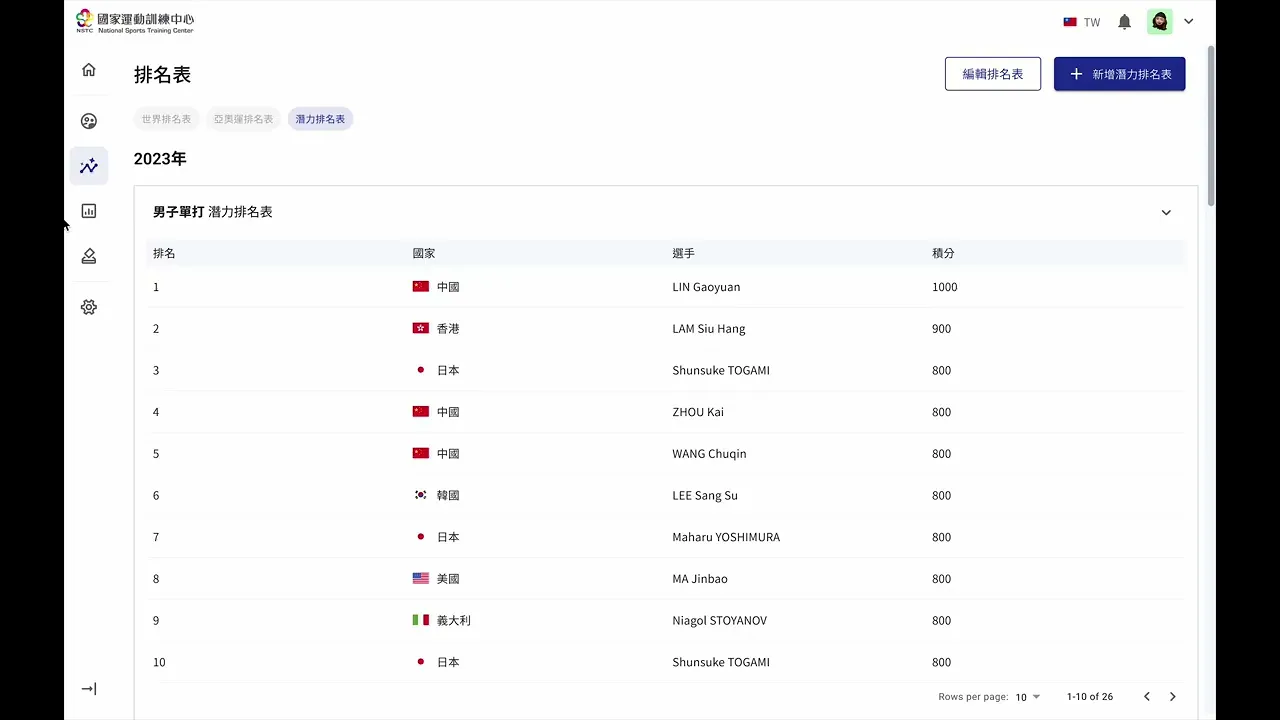
Baseball was one of the first sports to adopt data analytics, with MLB teams long relying on data to inform player selection, lineup strategy, and training.
Taiwan’s National Sports Training Center aims to integrate data from Olympic athletes to build a platform that supports training and competition-related decision-making.
This project is designed to enhance training efficiency and improve athletic performance.
Baseball was one of the first sports to adopt data analytics, with MLB teams long relying on data to inform player selection, lineup strategy, and training.
Taiwan’s National Sports Training Center aims to integrate data from Olympic athletes to build a platform that supports training and competition-related decision-making.
This project is designed to enhance training efficiency and improve athletic performance.
RESEARCH QUESTION
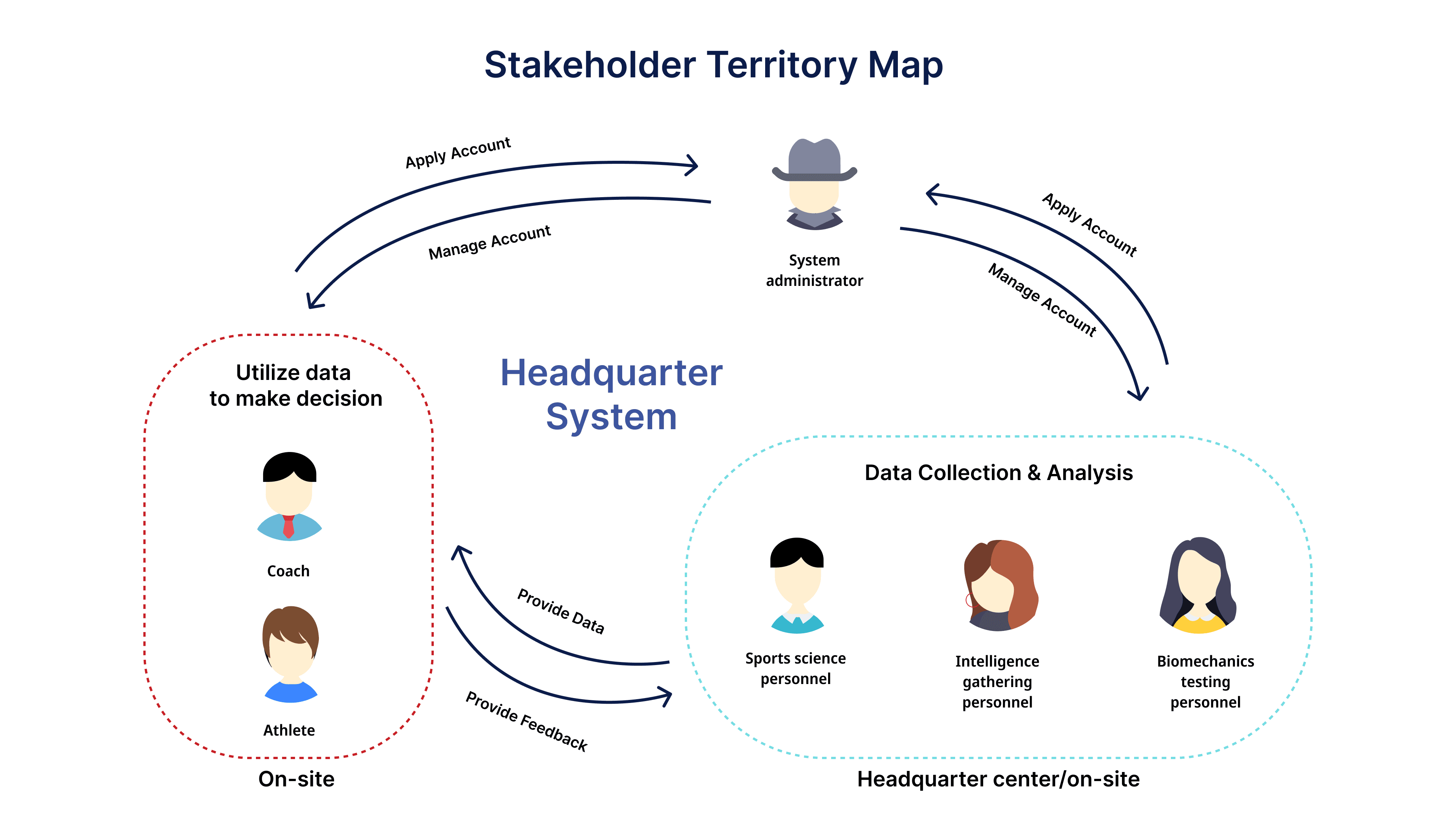
How might we design a user-friendly, cross-functional data platform that allows sports professionals from different fields to efficiently input data and access insights that are meaningful to them?
Challenge | Detail |
|---|---|
Data Input | How might we enable users from diverse professional backgrounds to input consistent and structured data in a simple and accurate way? |
Data Output | How might we present key information in a clear and easily understandable format, |
How might we design a user-friendly, cross-functional data platform that allows sports professionals from different fields to efficiently input data and access insights that are meaningful to them?
Challenge | Detail |
|---|---|
Data Input | How might we enable users from diverse professional backgrounds to input consistent and structured data in a simple and accurate way? |
Data Output | How might we present key information in a clear and easily understandable format, |
METHODS
Data Input Challenge
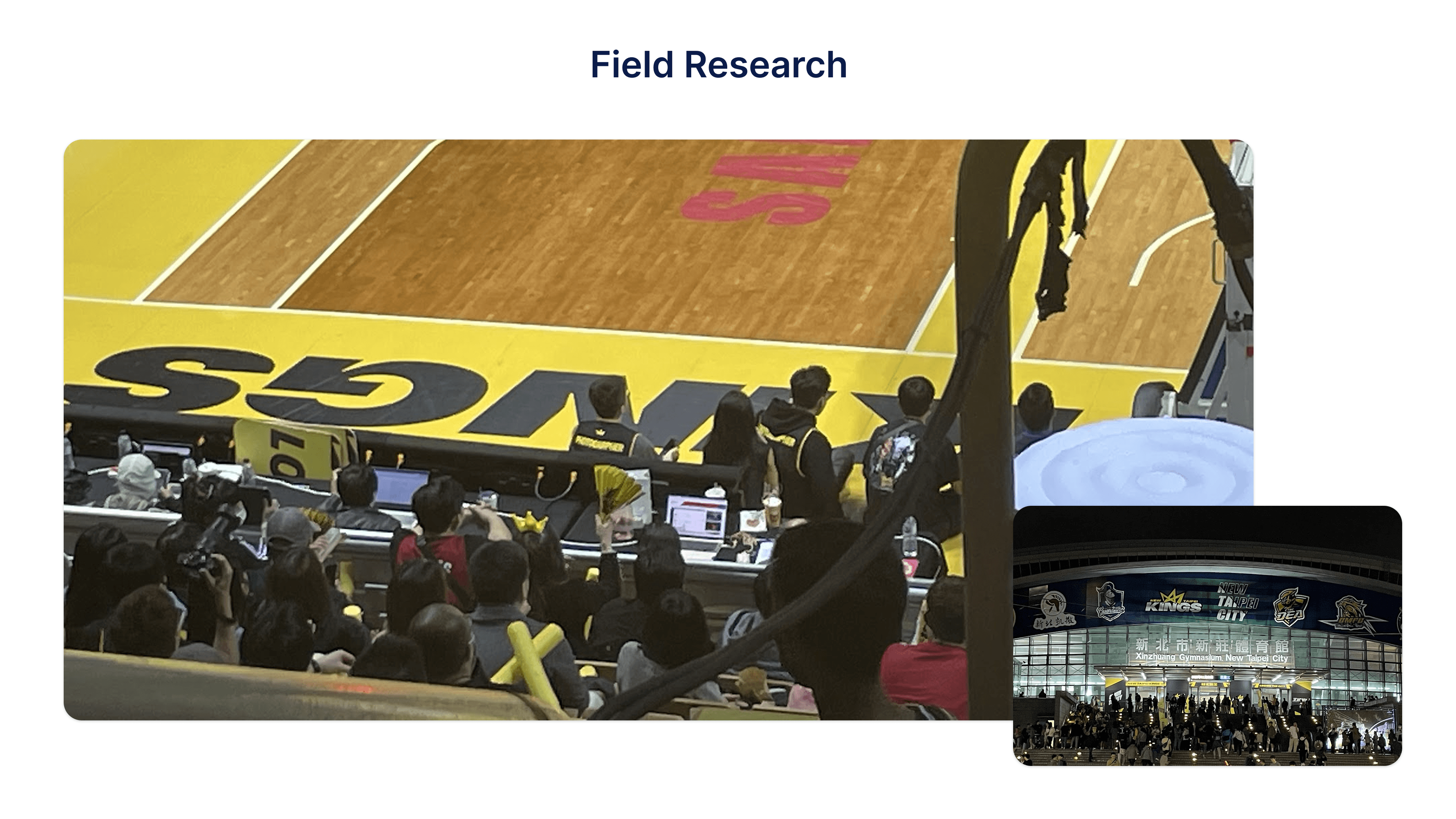
Conduct user interviews and field research to understand how sports professionals from various backgrounds collect and input data. Identify the challenges and needs they encounter throughout the process, in order to optimize data entry methods.
Data Output Challenge
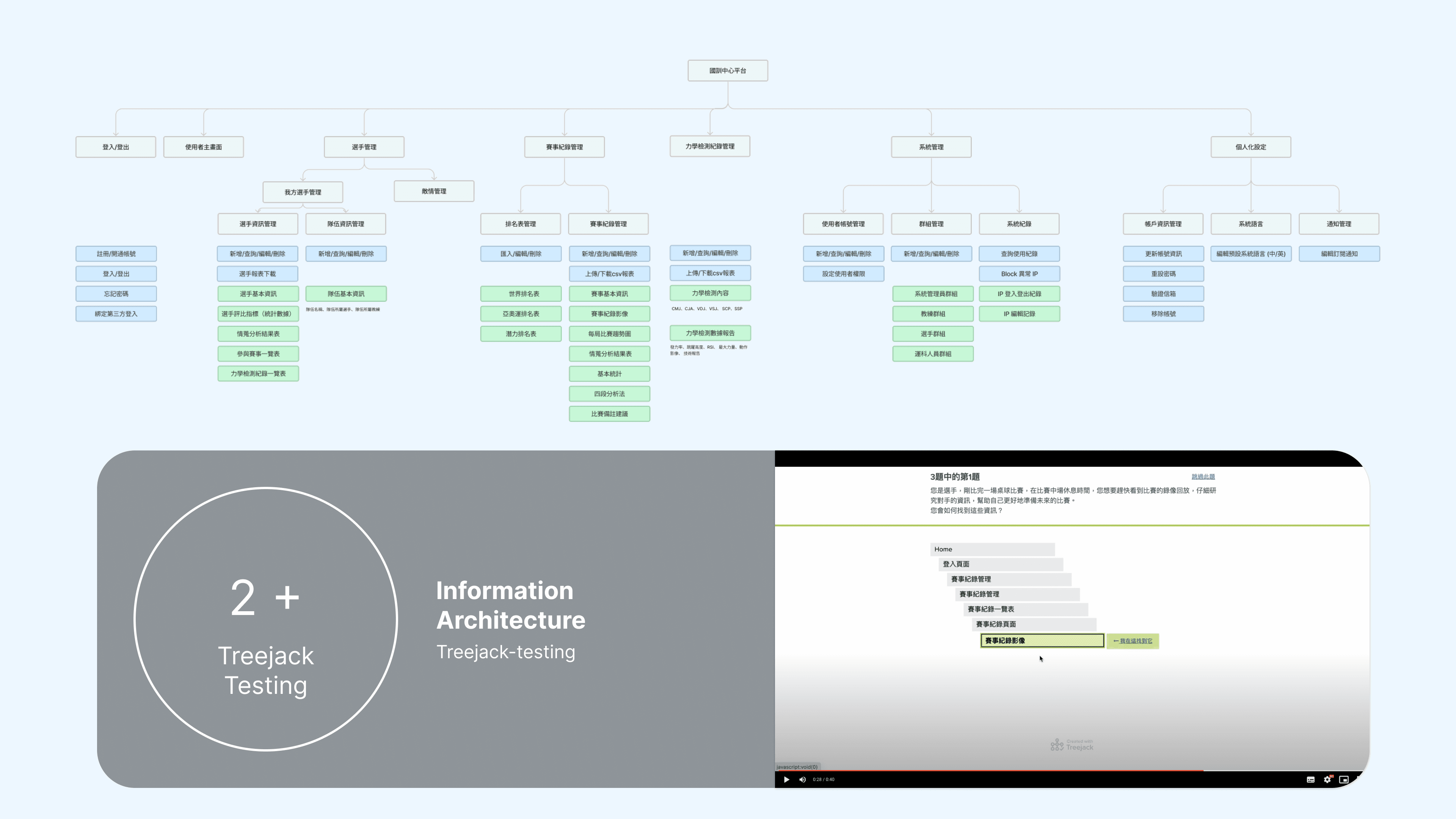
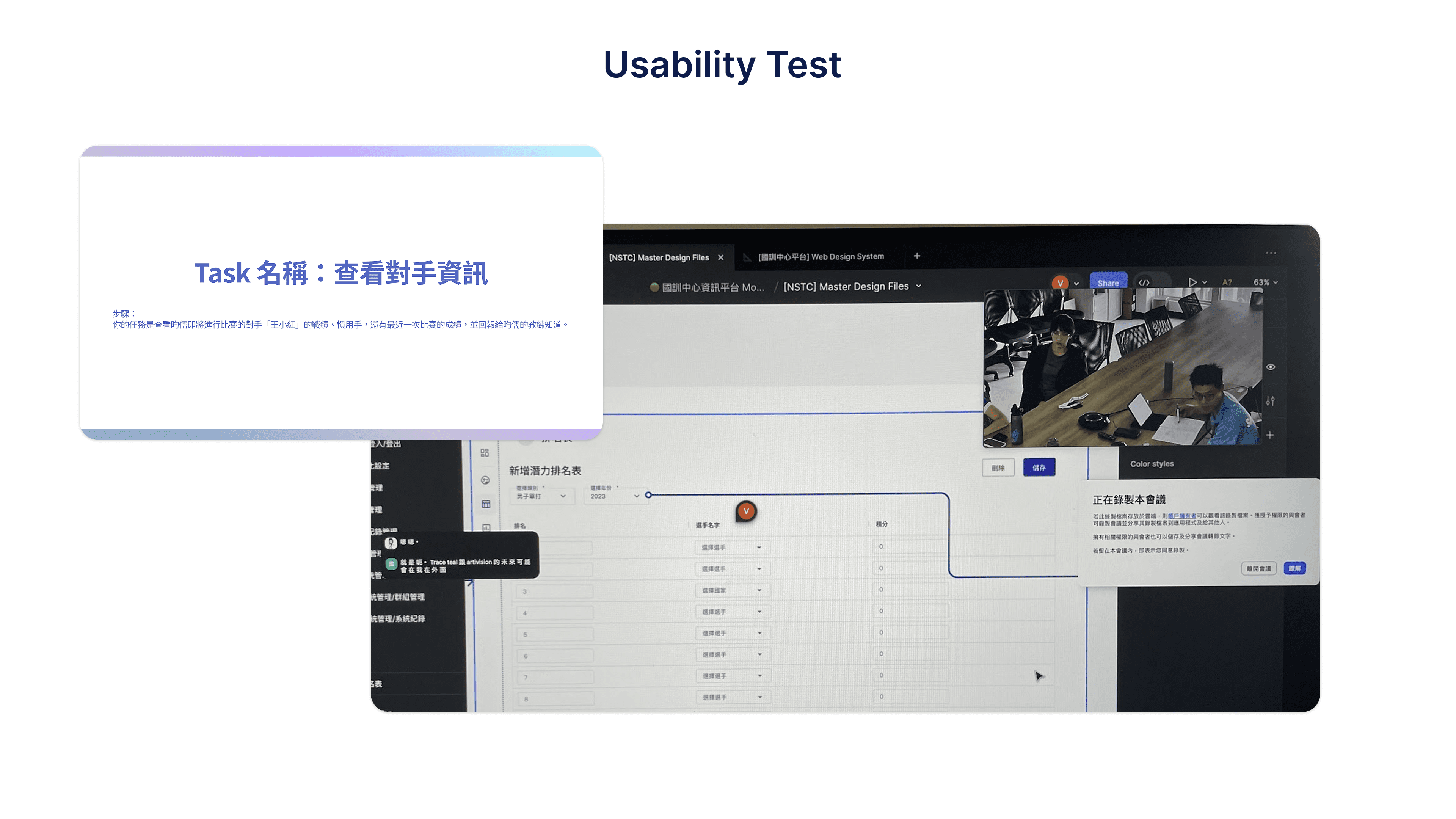
Use Treejack testing and usability testing to evaluate whether the information architecture aligns with the mental models of users from different roles. Ensure they can quickly locate and understand the information they need.
Data Input Challenge
Conduct user interviews and field research to understand how sports professionals from various backgrounds collect and input data. Identify the challenges and needs they encounter throughout the process, in order to optimize data entry methods.
Data Output Challenge
Use Treejack testing and usability testing to evaluate whether the information architecture aligns with the mental models of users from different roles. Ensure they can quickly locate and understand the information they need.
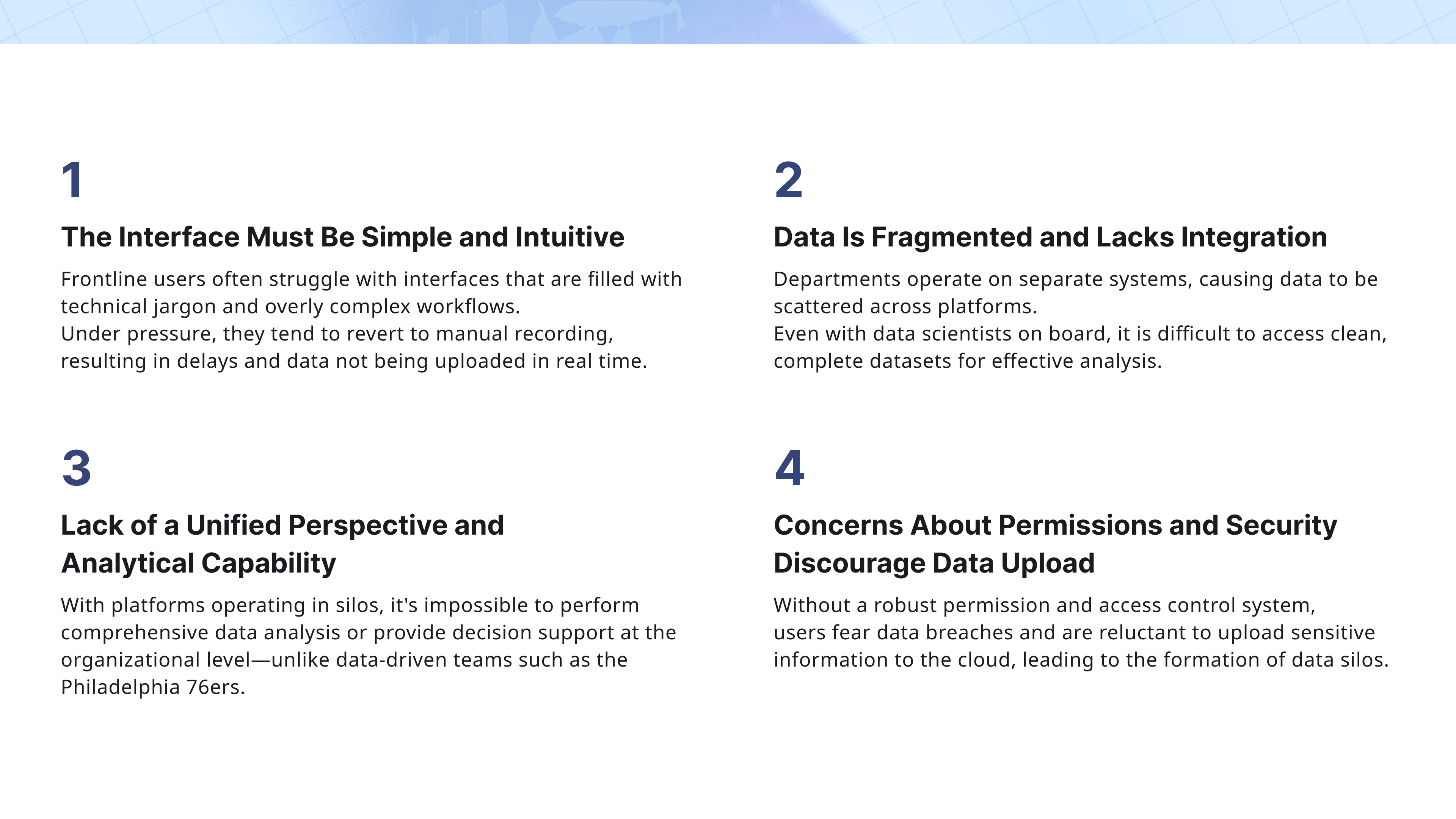
INSIGHTS SUMMARY
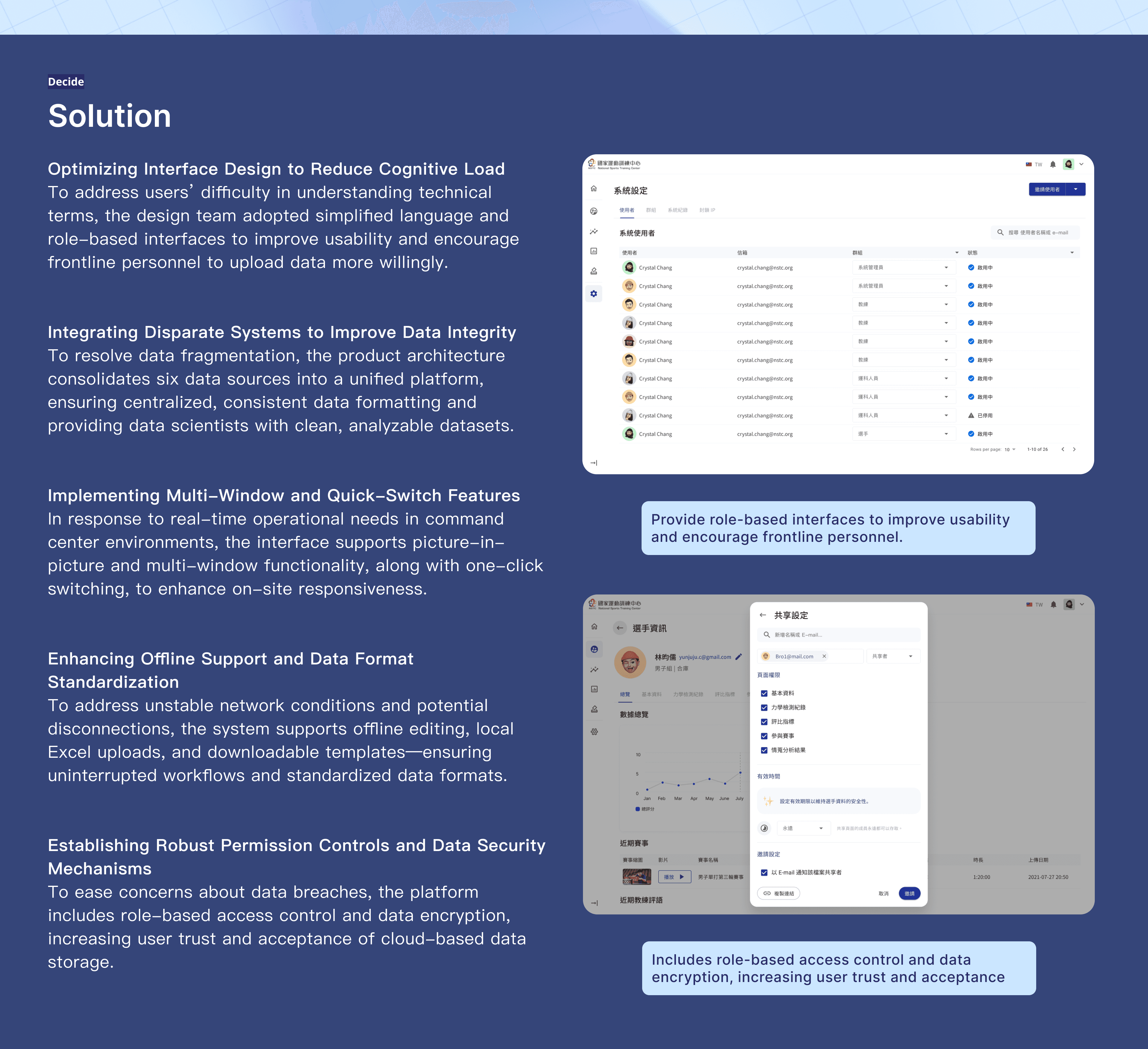
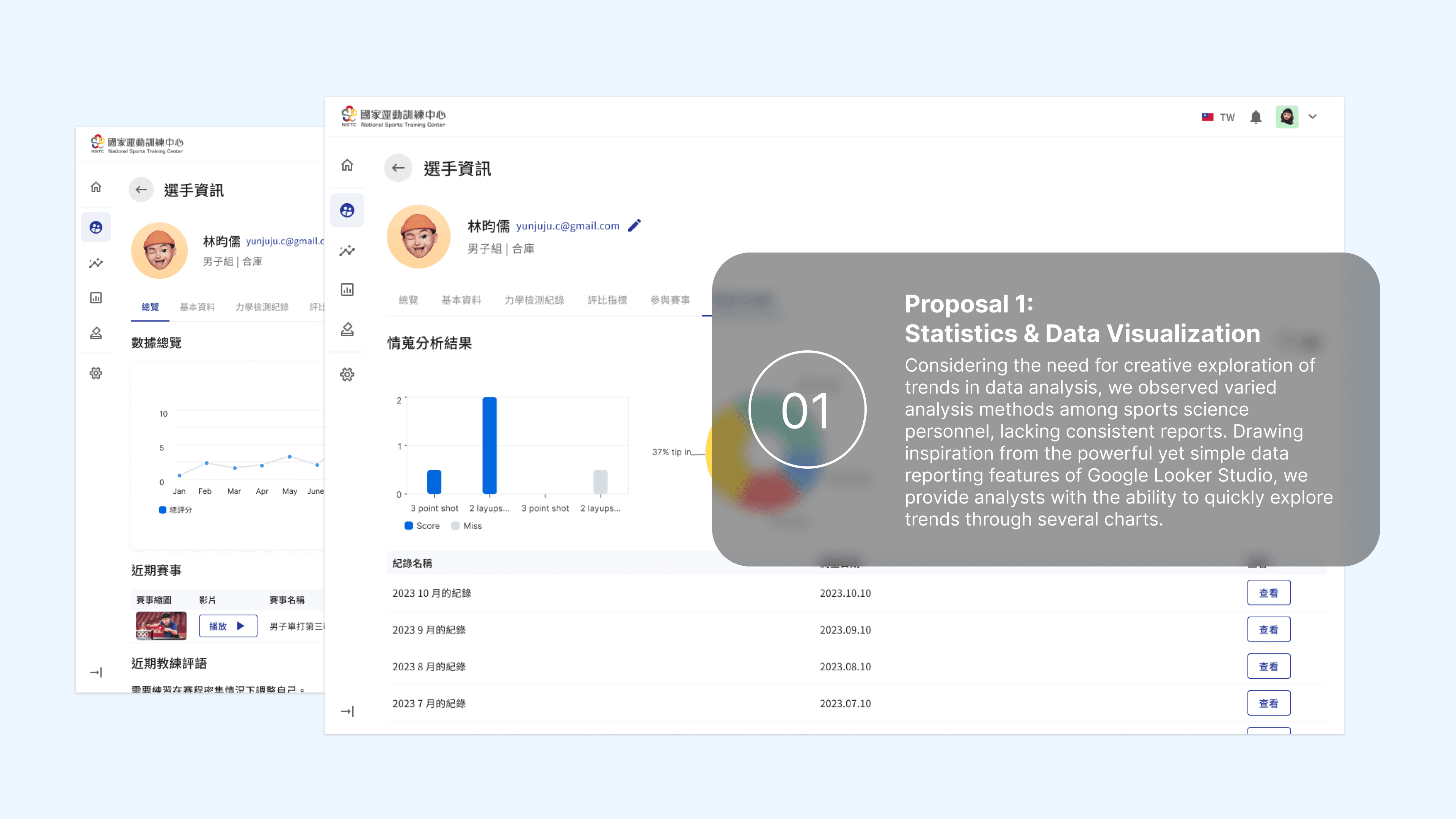
INFLUENCE ON DECISION

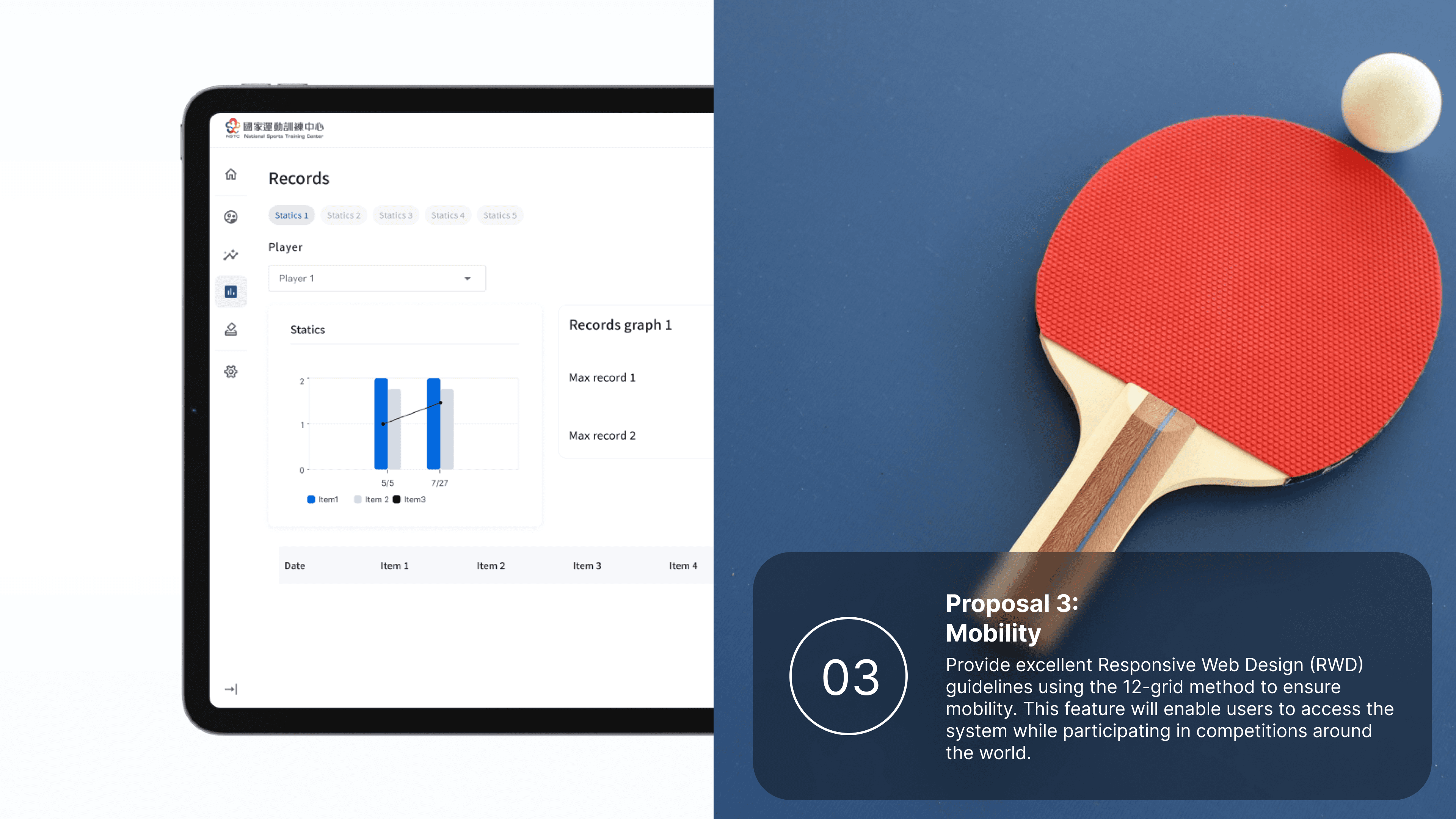

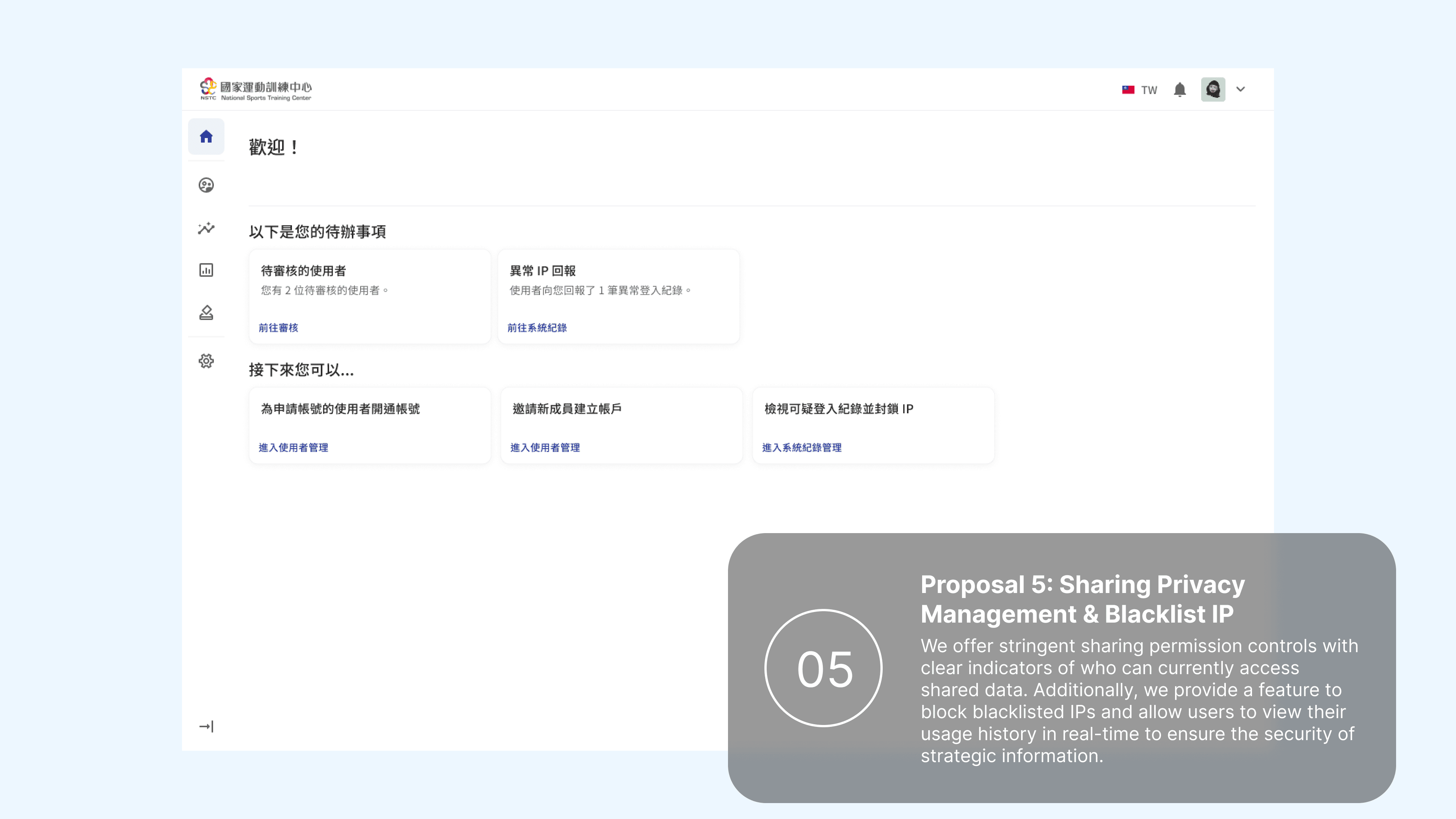
PROTOTYPE DEMO
Main Page Overview
Member Data Management

Sharing Limitation
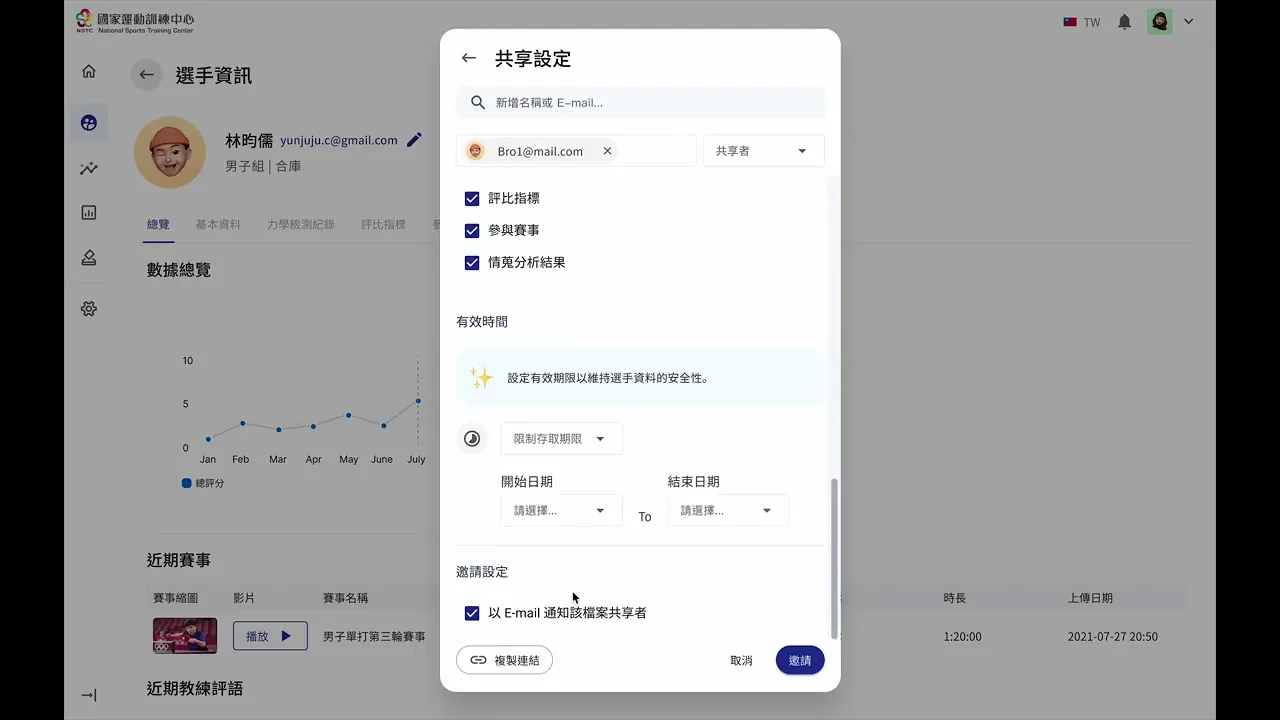
PROTOTYPE DEMO
Main Page Overview
Member Data Management
Sharing Limitation
IMPACT & OUTCOMES
Endorsed at the Policy Level
Successfully delivered and officially adopted by the National Sports Training Center, the platform is now recognized as a key tool in daily operations.
Foundation for Data-Driven Training Decisions
Designed for integration and usability, the platform establishes a structured process for data collection and analysis to support evidence-based training and competition strategies.
Enabling Cross-Department Collaboration
By consolidating previously siloed data, the platform fosters information sharing and collaborative decision-making among coaches, medical teams, and sports scientists.
Improved Data Quality and Security
With role-based access controls and standardized formats, the system ensures clean, secure, and traceable athlete data—laying the groundwork for long-term tracking and analysis.
Endorsed at the Policy Level
Successfully delivered and officially adopted by the National Sports Training Center, the platform is now recognized as a key tool in daily operations.
Foundation for Data-Driven Training Decisions
Designed for integration and usability, the platform establishes a structured process for data collection and analysis to support evidence-based training and competition strategies.
Enabling Cross-Department Collaboration
By consolidating previously siloed data, the platform fosters information sharing and collaborative decision-making among coaches, medical teams, and sports scientists.
Improved Data Quality and Security
With role-based access controls and standardized formats, the system ensures clean, secure, and traceable athlete data—laying the groundwork for long-term tracking and analysis.
Reflection
This project gave me deep insights:
Involving designers earlier in the product development process—especially before requirements are finalized—not only helps create designs that better reflect users’ real needs but also leads to clearer and more precise feature definitions in the requirements documentation.
Product teams and researchers should strive for more opportunities to interact directly with users on site:
Whenever possible, conducting simple user research or concept validation with real users can save the entire team significant time and resources. Early involvement like this helps prevent misdirection and costly revisions later on.This experience also reminded me that the value of product design goes far beyond aesthetics, pixel-perfect adjustments, or choices like whether to use rounded corners.
Design is ultimately the discipline of building a practical bridge between cutting-edge technology and genuine human needs.
This project gave me deep insights:
Involving designers earlier in the product development process—especially before requirements are finalized—not only helps create designs that better reflect users’ real needs but also leads to clearer and more precise feature definitions in the requirements documentation.
Product teams and researchers should strive for more opportunities to interact directly with users on site:
Whenever possible, conducting simple user research or concept validation with real users can save the entire team significant time and resources. Early involvement like this helps prevent misdirection and costly revisions later on.This experience also reminded me that the value of product design goes far beyond aesthetics, pixel-perfect adjustments, or choices like whether to use rounded corners.
Design is ultimately the discipline of building a practical bridge between cutting-edge technology and genuine human needs.


Outline